- 018-2034318
- realsolutionswaterproof@gmail.com
- Mon - Fri: 8:30AM - 7:00PM

Water sneaks into concrete and creates damage that grows fast and spreads wide across surfaces. Many people search for strong ways to prevent this risk with care. A smart choice starts with clear knowledge and simple understanding for every homeowner today. A concrete waterproofing coating builds a shield that guards walls, roofs, and floors from leaks. It also keeps spaces safe, dry, and strong for many years ahead. This blog explores each coating type simply and clearly for easy learning.
It also guides property owners to pick the right one with ease and confidence. Each section presents new ideas that spark curiosity and facilitate better decision-making. Reliable waterproofing methods also improve structural value and reduce expensive future repair costs.
Concrete waterproofing coatings create a thin layer that blocks water from entering surfaces and stops damage early. These coatings grip tightly and form a barrier that stops cracks and dampness from growing. Builders use them in homes, basements, and roofs to keep structures safe and strong. Each coating works uniquely and protects surfaces from harm and wear. This knowledge helps property owners understand how protection grows stronger with the right coating choice. Proper coating systems also help buildings remain visually appealing and structurally dependable longer.
Different surfaces need different coatings, and each type brings special traits for use in buildings, such as enhanced durability, flexibility, or resistance to specific environmental factors. Knowing these types helps avoid mistakes and supports better choices for strong and lasting results always.
This step builds a clear understanding and guides smart decisions for protection needs. Proper research before selection also prevents unnecessary expenses and future maintenance challenges significantly.
Acrylic coating spreads smoothly and forms a bright layer that resists sunlight and protects outer surfaces well. It dries fast and allows simple use on roofs and walls without delay. This coating suits areas with low water exposure and light wear conditions for daily use. Its flexible texture also improves appearance and increases resistance against surface fading issues.
Polyurethane coating builds a thick shield that handles heavy rain and harsh weather with strong resistance. It stretches with movement and protects terraces and exposed areas from cracks and leaks. This coating suits spaces that face strong water pressure and constant daily exposure. Strong elasticity also helps surfaces handle temperature changes without developing sudden structural weaknesses.
Cementitious coating blends well with concrete and protects tanks, basements, and inner spaces from water damage. It forms a rigid layer that blocks seepage and keeps surfaces safe from moisture. Builders trust this coating for simple and strong protection in many projects today. Easy mixing and dependable performance make this coating popular among construction professionals everywhere.
Bituminous coating creates a dense layer that protects foundations from water and moisture deep below the surface. It works well on buried surfaces that face high water contact for long periods. This coating protects hidden areas and continuously keeps structures safe from unseen damage. Its durable composition also withstands soil pressure and challenging underground environmental conditions effectively.
Choosing the right coating requires careful consideration of the surface type, weather conditions, and durability requirements for long-term use. A wise choice prevents damage and keeps the structure safe and strong for many years to come with steady protection and care. Smart planning before application also ensures efficient use of materials and better performance.
Each surface needs a matching coating that suits its condition and use for the best results. Roofs need flexible layers, while basements need strong, rigid coatings for full protection. Careful checks help avoid failure and ensure long-lasting performance in every situation. Correct surface analysis also improves bonding strength and reduces the chances of future coating issues.
Weather shapes coating performance and affects how long it lasts on surfaces in different places. Rain, heat, and cold require different types of coatings to ensure strong and consistent protection at all times. Choosing based on climate ensures better results and long-term safety for structures every day.
Proper climate consideration also helps coatings maintain their effectiveness during seasonal environmental changes successfully. It is crucial for ensuring that structures remain protected against varying weather conditions throughout the year.
Some areas face heavy use and need strong coatings for lasting protection from wear and damage. Light-use areas can use simple coatings that still protect well from moisture. Matching durability with need helps avoid waste and ensures the right level of safety. Careful durability planning also extends surface lifespan and lowers future repair requirements considerably.
Some coatings need skilled work, while others allow easy and quick application methods for use. Simple methods consistently save time and effort while still providing good protection results. Choosing the right method ensures smooth work and better coating performance every time. Proper application techniques also reduce material waste and improve overall coating consistency significantly.
Coatings act as shields that block water entry and seal pores and cracks in concrete surfaces. This process keeps structures safe and builds trust in long-term protection results for homes and buildings. Effective coating systems also help preserve indoor comfort and improve overall building durability greatly.
Workers clean surfaces and remove dust, grease, and cracks before coating begins with care. This step builds a strong base that helps the coating stick firmly without failure. A clean surface always ensures better bonding and provides long-lasting protection for concrete structures.
Proper preparation methods also improve coating effectiveness and reduce future maintenance complications significantly, such as peeling or chipping, by ensuring that the surface is free of contaminants and properly primed.
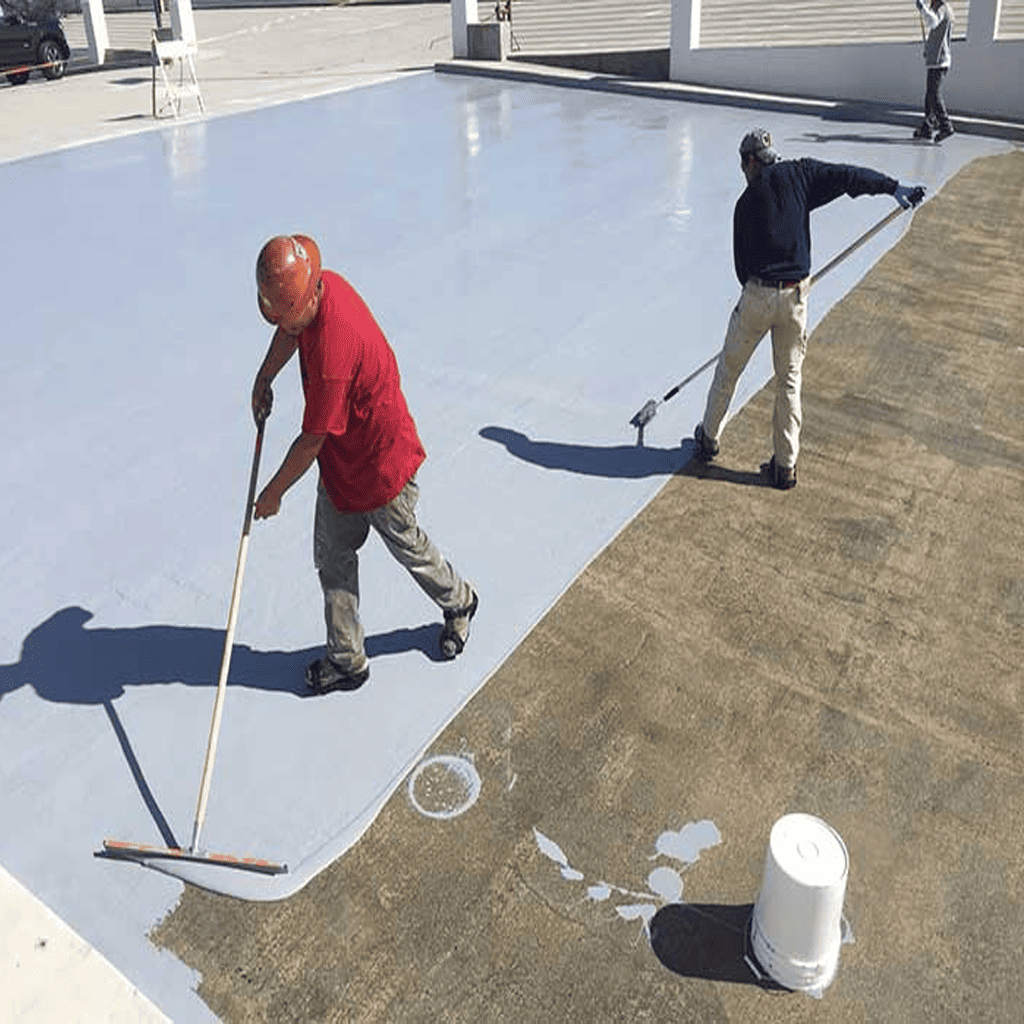
Workers spread coating with brushes or rollers and cover every part with care and attention. Each layer adds strength and builds a complete shield against water damage and leaks. Careful work ensures full coverage and strong protection across all surfaces every time. Correct application procedures also enhance coating lifespan and continuously maintain reliable waterproofing performance.
The coating dries and forms a firm layer that blocks water from entering surfaces fully. This stage secures the protection and enhances the coating’s durability for long-term use. Proper curing ensures durability and prevents cracks from forming later on surfaces. Adequate curing time also improves bonding quality and overall structural protection effectiveness greatly.

Many people make simple mistakes when choosing coatings and face damage later in structures. Knowing these mistakes helps avoid problems and ensures better protection results for long-term safety. Learning from common mistakes also improves decision-making and ensures more reliable waterproofing outcomes.
Some people skip surface checks and apply coating on weak or dirty concrete surfaces. This mistake weakens the bond and reduces coating life and strength very quickly over time. Poor preparation also increases the chances of peeling, leakage, and expensive future repair work.
Low-cost choices may fail early and cause more damage over time in structures. Strong quality ensures long-lasting protection and reduces repair needs in future for better results. Investing wisely in quality products also improves reliability and lowers maintenance expenses significantly.
Expert guidance helps avoid mistakes and always ensures the correct coating choice for surfaces. Skilled teams bring better results and improve protection with proper methods and careful planning. Professional recommendations also help identify hidden issues before serious structural damage develops later, such as underlying moisture problems or surface imperfections that could compromise the integrity of the coating.
Each coating suits specific needs, and wrong choices lead to damage and failure in structures. Ensuring that the coating type matches its intended use provides strong and reliable protection for every surface. Proper product selection also improves performance and extends structural lifespan under varying conditions.
Uneven layers reduce coating strength and allow water to enter surfaces easily over time. Careful work ensures full coverage and keeps the structure safe from leaks and damage. Skilled application methods also improve coating appearance and ensure better waterproofing consistency throughout.
Regular checks keep coatings strong and help spot early signs of damage in surfaces. Neglect leads to wear and reduces protection over time for concrete structures and buildings. Routine maintenance also increases coating lifespan and prevents costly structural repair requirements later.
Certain signs show the need for protection and call for quick action to stop damage. Early steps prevent damage and keep structures safe and strong for long use, always. Timely waterproofing solutions also help maintain property value and indoor living comfort effectively.
Visible mould growth also indicates excess moisture and potential waterproofing system failure risks.
Concrete needs strong protection to stay safe from water damage and wear over time. Each coating type offers unique strength and suits different needs and surfaces in buildings, such as enhancing durability against moisture, preventing cracking, and improving overall structural integrity. A concrete waterproofing coating protects and extends the life of structures for many years. Careful selection and proper use of materials always ensure lasting and strong results.
Real Solutions Waterproofing brings skill and experience to deliver trusted protection services for every project. The team studies each detail and ensures reliable results for all structures. Clear knowledge and expert help guide better choices and stronger protection outcomes always. Effective waterproofing solutions also improve safety, durability, and long-term property performance considerably.