- 018-2034318
- realsolutionswaterproof@gmail.com
- Mon - Fri: 8:30AM - 7:00PM

Rain and moisture slowly damage concrete surfaces. Water passes through tiny cracks, which leads to damage to walls, roofs, basements and floors. The presence of damp areas creates conditions that lead to mould growth and deterioration, as well as surface staining. The property owners apply concrete waterproofing coating to defend their buildings against water damage because of these problems. A strong waterproof coating forms a protective layer over concrete surfaces. The structure receives water protection through this layer, which preserves its condition for multiple years. The right waterproofing system protects concrete from weather damage, which leads to fewer repairs and stronger concrete surfaces.
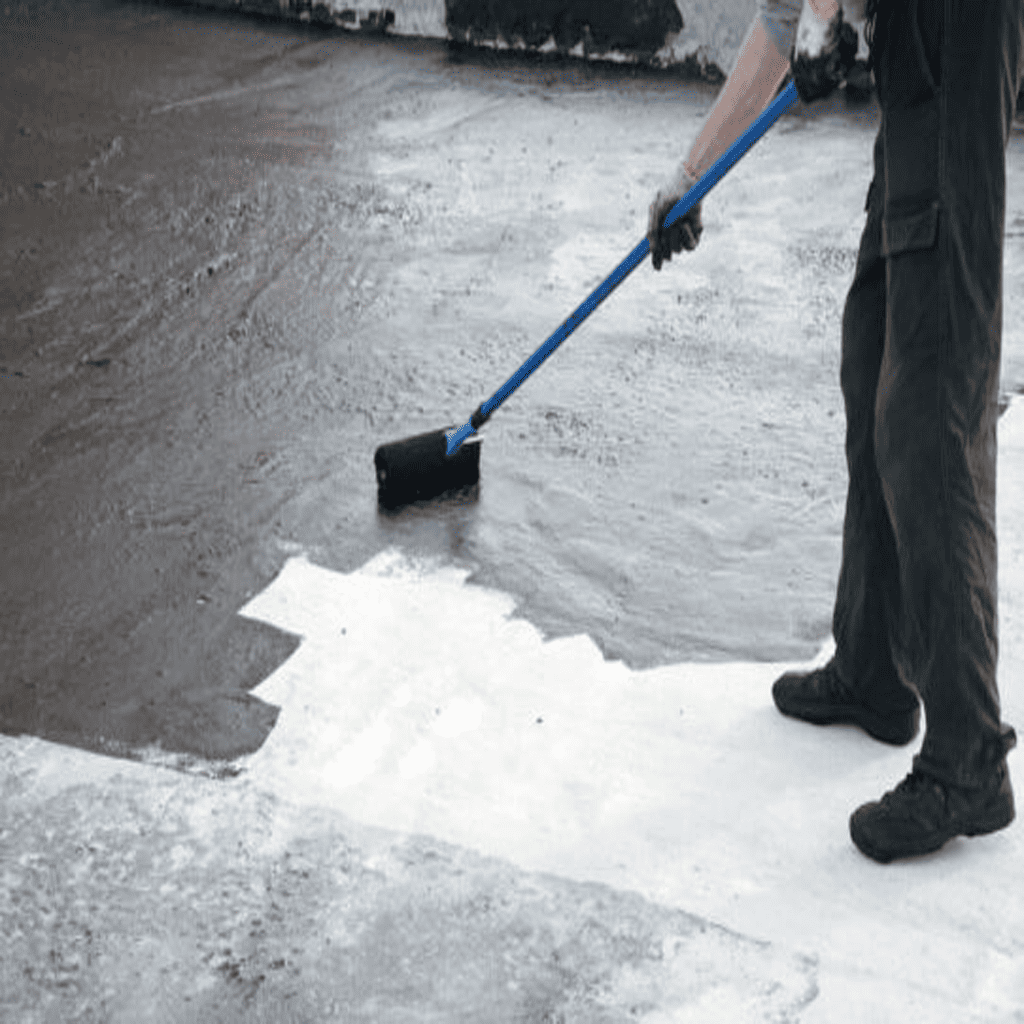
The blog presents the complete process through basic explanations, which show property owners how experts apply waterproof coatings to achieve durable protection.
Waterproofing concrete through concrete waterproofing coating shields concrete surfaces from water penetration. The coating seals small openings, which prevents water from entering the building through its surface. These coatings function as building materials which contractors apply to defend their structures, which include terraces, basements, roofs, balconies, bathrooms and parking areas.
Water powerfully affects concrete because it soaks into concrete structures at fast rates. The building structure shows deterioration because the enclosed water creates damage, which leads to structural deterioration and develops cracks. The surface receives protection from damage through waterproof coatings, which also boost its strength.
The surface receives protection from moisture because the coating prevents water from passing through it. The entry of moisture into concrete happens through its small openings and its fragile connection points. The accumulated water inside the structure creates watermarks, which lead to mould development and damage to the surface. A strong waterproof coating seals these openings and keeps the concrete dry during heavy rain and humid weather conditions.
Flexible coating layers help reduce crack growth on concrete surfaces. The structural components experience temperature changes, which cause concrete to expand and contract. So, it creates stress on the entire system. The waterproof coatings conform to surface movements to minimise the damage which occurs from these movements. The system maintains long-term surface stability through its flexible design.
The concrete surface receives protection from the coating, which keeps it free from dust accumulation, surface peeling and weather-related deterioration. The surface receives protection from sunlight exposure, severe winds, and regular usage through the application of durable coatings. Concrete surfaces maintain their cleanliness, smoothness and strength throughout multiple years because of these advantages.
The correct application of coatings will extend the operational period of concrete structures. Waterproof protection reduces repair needs and keeps the surface in excellent condition. Waterproof coatings provide extended performance, which enables them to serve as the ideal solution for residential spaces, together with office buildings, manufacturing facilities and retail establishments.
Strong waterproofing begins with proper tools and quality materials. Each tool supports smooth application and better coating performance. Skilled contractors choose the correct equipment because strong preparation improves waterproofing success.
Clean surfaces help the coating stick with strength. Dirt and dust weaken coating adhesion and reduce durability.
A pressure washer removes dirt, grease, and loose particles from the surface. It also clears old paint and stubborn debris from damaged areas.
A wire brush scrubs rough spots and removes weak concrete particles. This tool also helps clean small cracks and tough corners.
An industrial vacuum clears fine dust before coating work begins. Dust-free surfaces improve coating grip and create smoother finishes.
Damaged concrete needs repair before waterproof coating application. Proper repair work strengthens the surface and blocks hidden water paths.
Crack fillers seal openings and stop water movement inside the concrete. This material also helps prevent future crack growth.
Patch compounds repair broken sections and smooth rough areas. Strong patching creates an even surface for coating application.
Primers improve coating grip and strengthen waterproof protection. Good bonding helps the coating last longer under changing weather conditions.
The primer helps the coating bond tightly with the concrete surface. It also improves durability and coating performance.
The coating forms a strong barrier against moisture and rainwater. High-quality coating materials protect surfaces from peeling and dampness.
Workers use different tools to spread the coating evenly. Proper application creates smooth and reliable waterproof layers.
Rollers cover large areas with smooth coating layers. They also help maintain even thickness across the surface.
Brushes reach corners, edges, and tight spaces. They help workers coat difficult areas with precision.
Spray machines help coat large surfaces with speed and accuracy. These machines also create smooth finishes on wide concrete areas.
Safety gear protects workers during application work. Protective equipment also improves comfort during long waterproofing projects.
These items protect hands and eyes from dust and chemicals. They also reduce the risk of injury during repair work.
Masks reduce dust and chemical exposure during the process. Clean breathing conditions help workers stay safe throughout the project by minimising respiratory issues and enhancing overall health and productivity.
Many waterproofing systems protect concrete surfaces, but coating systems offer strong performance and easy maintenance. These coatings also suit many types of residential and commercial structures.
Waterproof coatings seal concrete pores and stop moisture from entering the structure. This protection helps prevent mould, stains, and surface decay.
Some waterproof sheets crack or shift over time. Coatings flex with surface movement and reduce crack spread. This flexibility supports stronger long-term performance.
Property owners can inspect coated surfaces with ease. Small repairs also take less time and effort compared with large membrane replacements.
Coating systems need less installation time than many traditional waterproof methods. Faster application also reduces project delays.
Waterproof coatings create a smooth and clean appearance. They improve the overall look of walls, floors, roofs, and basements.
Good waterproofing depends on proper preparation and careful application. Each step supports long-lasting surface protection.

Workers clean the concrete surface before coating begins. Dirt, oil, dust, and loose particles weaken coating grip. Pressure washing and grinding help create a clean and smooth surface. Dry concrete also improves coating performance.
Cracks allow water to move deep into the structure. Workers fill cracks and repair damaged sections before coating application. This step strengthens the surface and prevents future leakage.
Primer creates a strong bond between the concrete and the waterproof coating. Workers spread the primer evenly across the surface and allow enough drying time.
Workers apply the waterproof coating with rollers, brushes, or spray machines. Smooth and even layers create better protection. Some surfaces need more than one coat for stronger waterproof performance.
The coating needs proper drying and curing time. Workers protect the surface from rain, dust, and heavy traffic during this stage. Good curing improves durability and coating strength.
Workers wear gloves, masks, and safety glasses during coating work. Proper ventilation also keeps the work area safe from strong chemical fumes.
Small mistakes can weaken waterproof protection and shorten coating life.
Dirty surfaces reduce coating grip and cause peeling problems. Proper cleaning creates stronger bonding.
Open cracks allow water to pass beneath the coating layer. Repair work must happen before coating application.
Thin areas create weak protection, while thick sections may crack during curing. Smooth application helps avoid these issues.
Primer improves coating adhesion and surface durability. Without primer, coatings may peel after weather exposure.
Each layer needs enough drying time. Rushed work traps moisture inside the coating.
Cheap products may crack or peel within a short period. Strong waterproof systems provide longer protection.
Rain and strong sunlight can affect coating performance. Workers should monitor weather conditions before application.
Large waterproofing projects need proper experience and equipment. Skilled contractors inspect surfaces, repair damage, and apply coatings with care.
Some homeowners choose DIY waterproofing for small repair tasks. However, large projects often require professional handling and proper equipment.
| DIY Waterproofing | Professional Waterproofing |
| Basic tools and limited surface preparation | Advanced equipment and detailed inspection |
| Higher risk of uneven coating | Smooth and balanced application |
| Limited knowledge of moisture damage | Deep understanding of structural issues |
| Short-term results in difficult areas | Long-lasting protection and durability |
| More trial and error during repairs | Skilled repair methods for cracks and damage |
| Difficult work on large surfaces | Efficient handling of complex projects |
| Greater chance of coating failure | Strong bonding and proper curing |
Concrete surfaces remain exposed to all weather elements, which include rain, moisture and changing environmental conditions. Water damage will harm the construction when it lacks defence, which leads to higher expenses for fixing the damage. A correctly applied waterproof coating creates a moisture barrier which provides concrete surfaces with durable protection that lasts for extended periods. A high-quality concrete waterproofing coating protects roofs, walls, basements, balconies, and floors from water damage. The process of cleaning properly, along with crack repair, priming, coating application and curing, will produce durable results.
Professional waterproofing services deliver strong protection and reliable performance. Skilled contractors need to assess surface conditions before they select appropriate materials, which they apply through precise coating methods. The process enables property owners to protect their buildings while they maintain concrete structures through dependable maintenance.
Related Articles: