- 018-2034318
- realsolutionswaterproof@gmail.com
- Mon - Fri: 8:30AM - 7:00PM

Home » Concrete Waterproofing Membrane: A Clear Guide to Types, Benefits, and Applications
Concrete stays strong for many years when protected with the right system. Many buildings face rain, groundwater, and changing weather each day, and these conditions slowly weaken concrete. A good waterproofing method helps stop this damage and keeps a structure safe for long use. A strong concrete waterproofing membrane works as a shield that blocks water and supports the whole surface. This guide shares clear points about membrane types, benefits, and places where membranes work best.
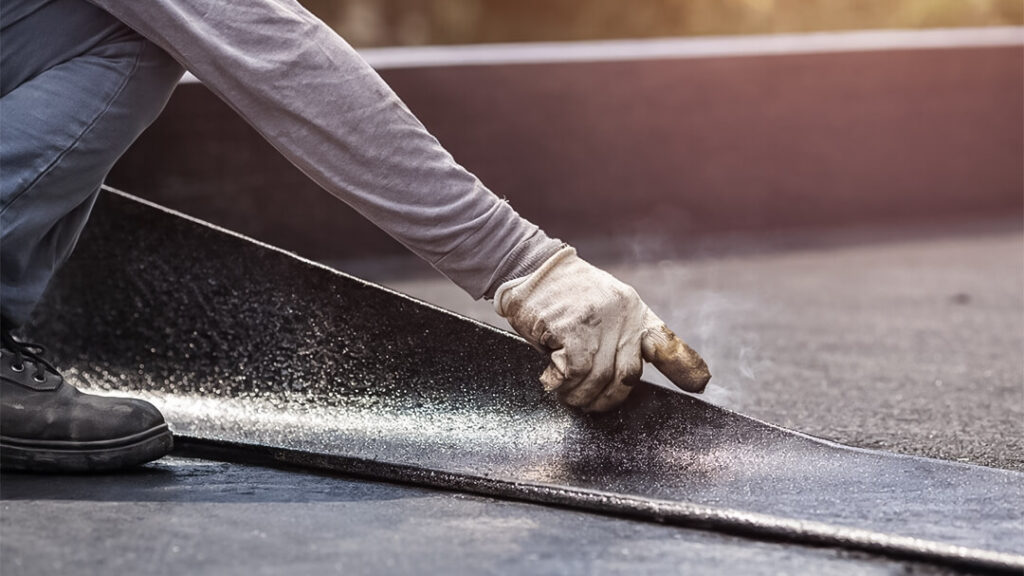
A membrane helps a building stay firm because the layer reduces cracks, slows wear, and prevents deep water movement. A smooth coating brings steady protection and keeps the concrete dry. Contractors choose membrane systems for roofs, walls, decks, and many parts of modern buildings. Simple steps, clear plans, and strong bonding make a membrane a trusted choice for long-term safety.
A concrete waterproofing membrane holds water back by forming a full cover over the surface. The membrane bends and moves with the concrete, allowing the structure to handle rain, heat, and daily stress. Strong bonding keeps the membrane attached, so the layer stays firm even during rough weather. This steady grip allows the membrane to guard corners, joints, and edges with equal strength.
Membranes support many spaces. Basements, roofs, pools, tanks, car parks, and outer walls all gain safety from this layer. A contractor studies the building first and then chooses the type that matches the surface. This step helps the membrane perform well and stay strong for many years. Some structures also gain better sound control because the membrane softens the impact of moving water and shifting pressure.
A concrete waterproofing membrane holds water back by forming a full cover over the surface. The membrane bends and moves with the concrete, allowing the structure to handle rain, heat, and daily stress. Strong bonding keeps the membrane attached, so the layer stays firm even during rough weather.
Membranes support many spaces. Basements, roofs, pools, tanks, car parks, and outer walls all gain safety from this layer. A contractor studies the building first and then chooses the type that matches the surface. This step helps the membrane perform well and stay strong for many years.
Different surfaces need different membranes. Choices depend on thickness, flexibility, strength, and the shape of the area. The goal is to match the membrane with the building’s needs.
A short view helps show why each type supports certain surfaces.
| Membrane Type | Main Strength | Best Use |
| Liquid-Applied | Seamless, smooth coat | Roofs, decks |
| Sheet Membrane | Even thickness | Basements, tunnels |
| Cementitious | Strong bonding | Internal walls |
This mix of options helps many building needs, from simple home projects to large commercial work. Contractors choose the right type based on weather, surface movement, and long-term goals. A good choice helps the membrane last longer and protects more areas.
Concrete faces moisture, pressure, and movement every day. A membrane helps hold the surface firm and supports the deeper layers. The layer blocks water so cracks stay small and do not spread into larger problems. A good membrane also handles heat and stretching, helping the building stay safe during storms and hot days.
Membranes also help reduce repairs. When water cannot enter, fewer parts of the building suffer damage. Cleaner surfaces, fewer cracks, and less concrete wear lead to a longer life for the structure.
A membrane gives strength through water control, surface support, and long-lasting coverage.
These points show why membranes support both new builds and older structures. A membrane adds a solid barrier that protects the surface from both sides. This layer keeps buildings safe during strong weather and heavy use.
Buildings in active cities such as Kuala Lumpur face strong rainfall and warm weather throughout the year. These conditions make membranes very helpful for many outdoor and indoor surfaces. Roofs, decks, balconies, basements, tanks, and outer walls all need support because water collects and moves through these areas easily.
Underground areas also need strong sealing because soil holds moisture. Outdoor surfaces must handle sunlight and daily rain. These conditions show why membrane systems matter for long-term building health.
Many surfaces face stress every day, and a membrane helps protect them from damage.
Membranes guard these spaces by forming a strong, flexible layer. This protection keeps each part of the building safe and reduces the chance of future repair needs.
Good preparation helps the membrane bond well and last longer. A contractor cleans the surface, removes weak spots, and checks for cracks. Repairs happen before applying the membrane, so the layer sits on a solid base. This step reduces peeling, bubbles, or gaps that may lead to leaks.
Contractors follow a clear plan because the surface must stay smooth and firm before applying the membrane. A steady process makes the work safer and more dependable.

These steps support cleaner bonding and a stronger finish.
Good preparation shapes long-term success. A clean and firm surface supports the membrane so the system remains strong during storms, heat, and regular use.
A building gains more protection when a specialist studies the surface closely. A professional checks moisture paths, movement zones, and weak points before choosing a method. Many structures face wide spans, deep walls, or uneven shapes, which require skilled planning. This is why a trained exper,t such as a waterproofing contractor in Kuala Lumpur, supports better long-term decisions for many buildings.
A specialist also knows which membrane suits the weather, surface type, and building load. This knowledge helps avoid early damage and supports the structure for years. Strong planning makes waterproofing safer, easier, and more effective.
Cities keep expanding, and new buildings rise with larger shapes and deeper foundations. These structures must handle heavy rain, ground moisture, and changes in heat. Membranes help builders protect each layer without adding weight or major changes to the structure. A flexible layer supports many types of surfaces.
A membrane also supports safety in underground works, roof gardens, and tall towers. This growth in use shows why membranes remain important for modern building design.
A correct membrane helps the building stay strong without extra stress. Contractors match the membrane to surface shape, weather, moisture level, and long-term goals. A strong match reduces repairs and keeps the surface working well.
A membrane with the right flexibility, strength, and bonding helps protect parts of the building that face heavy pressure. This match supports the larger structure and prevents sudden failures.
Choosing the right type builds long-term strength and balanced performance.
These benefits guide contractors when planning waterproofing work. Membrane selection shapes long-term building health and supports smoother maintenance.
Concrete stays stronger when protected with a dependable waterproofing system. A concrete waterproofing membrane gives stable support by blocking water, reducing cracks, and helping the building stay firm through changing weather. Correct preparation, skilled installation, and good material choice all play important roles in keeping the membrane strong. Many projects also depend on help from a waterproofing contractor in Kuala Lumpur to guide the process for large buildings or complex surfaces.
A membrane protects rooftops, walls, basements, and many other parts of a structure. This protection reduces repairs and supports safer long-term use. Strong waterproofing helps a building last longer and perform well through rain, heat, and daily pressure.
A membrane blocks moisture, limits cracks, and keeps the concrete strong for long use.
Each surface faces different stress, so contractors choose a membrane that suits the area and weather.
A clean and repaired surface helps the membrane bond well and stay firm during heat and rain.
Yes. A strong membrane reduces damage, supports stable performance, and helps the building stay safe for many years.