- 018-2034318
- realsolutionswaterproof@gmail.com
- Mon - Fri: 8:30AM - 7:00PM

Home » How to Choose the Right Waterproofing for Roof: Homeowner’s Guide
A leaking roof does not always start with a sudden dripping sensation. Usually, there are little cracks, worn-out sealants or moisture in the roof which eventually causes damage to the house. In Malaysia, where there is lots of rain and sunlight, roof damage can happen quicker than most homeowners realise.
Selecting an appropriate waterproofing for roof is among the most intelligent investments you can make into protecting your property. Each roof has its own requirements, and each roofing waterproofing system will offer different degrees of protection. Selecting the right system depends on your roof type and condition, and even the climate where you live.
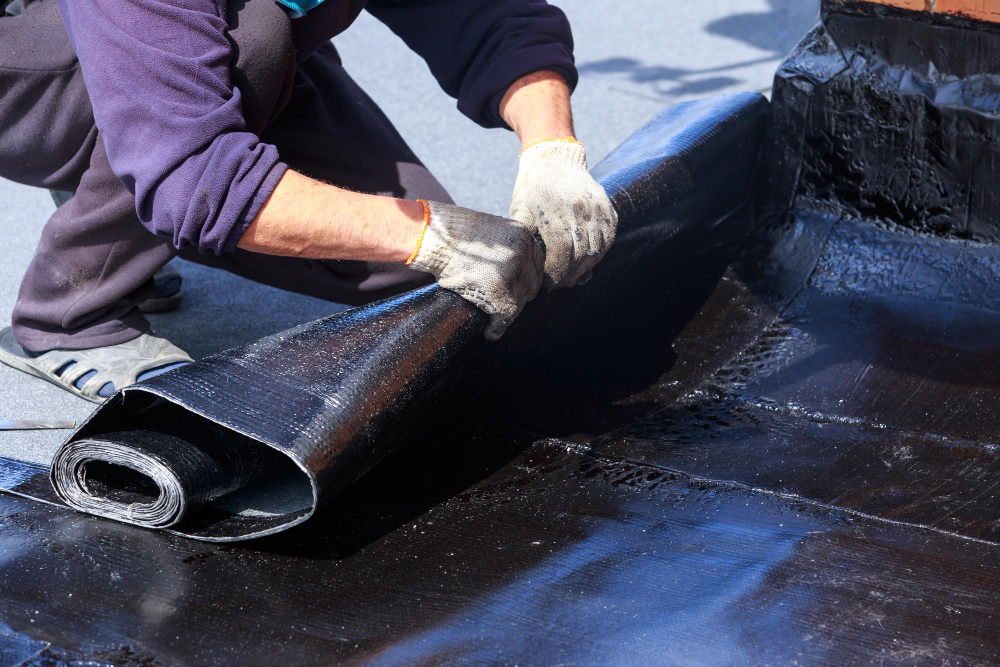
This guide explains how roofing waterproofing works, the symptoms to look out for, available roof waterproofing systems and how to select the most effective one.
Roof waterproofing establishes a defensive layer which blocks rainwater from reaching the roofing framework. The system provides roof defence against water damage, thermal exposure and environmental destruction.
Unlike standard roof coatings, waterproofing forms a seamless layer that seals cracks, joints, and other vulnerable areas to stop water from seeping through.
A quality waterproofing system can:
Most homeowners choose to handle leaks only after they have already started to develop. The protection of roofs through preventive waterproofing
The Malaysian weather makes the roof work hard throughout the year. Excessive rainfall, high humidity, and strong sunshine might affect the roof’s life if not well-protected.
Malaysia has heavy rainfall, especially during the monsoon season. Gradually, the water might get into cracks and result in leaks within the property.
Ultraviolet rays make the materials heat up during the day, causing expansion. At night, when temperatures fall, there would be contraction resulting in small cracks.
With high humidity levels, the roof surface will remain wet for long hours. This provides the perfect opportunity for mould, algae, and mildew to grow on the roof.
The roof tiles, flashing, sealants, and concrete materials will gradually wear out. Failure to have waterproofing and maintenance will leave the material vulnerable to water leaks.
Roof issues generally arise slowly, and by identifying some early warnings, you will be able to avoid expensive fixes in the future.
If you notice any of these signs, arrange professional roof repair services as soon as possible to prevent further damage.
Understanding why roofs leak helps you prevent repeat problems after waterproofing. Most leaks trace back to a handful of culprits.
The roofing material wears out over time due to the effects of sun rays, rain, and changing temperatures, which affect the coatings on the roof surface.
A hurried job of waterproofing does more harm than good because it gives an impression of security while the roof leaks.
Due to shifting in buildings over time, there is cracking in the roof, especially where there is concrete, as well as cracks in places like flashing areas, chimneys, and skylights.
Gutters and drains can be blocked by things such as leaves and debris, resulting in the accumulation of water rather than the drainage of water.
Every roof has specific waterproofing requirements depending on its material and structure. Proper selection of the system ensures that there is no leakage in the roof and increases its life span.
Concrete roofs are very tough but are prone to absorbing water after a while. Waterproof membrane systems and cementitious waterproofing membranes are frequently used for their durability.
Metal roofs have a tendency to expand or contract due to changes in temperature. It would be best to use flexible waterproofing membranes, which will not crack when expanding.
Tiled roofs are effective in protecting against adverse weather conditions, but damaged or loose tiling allows water to get through. Waterproofing underlayments are used to stop water from penetrating.
Flat roofs can accumulate water easily since there is no way to drain it away quickly enough. Therefore, seamless waterproof membranes are often recommended.
Roof decks and balconies are subjected to weather conditions and constant footfall. UV-resistant waterproof membranes are recommended here as well.
The best waterproofing solution depends on your roof’s material, age, slope, and overall condition. A qualified roof repair specialist can assess your roof and recommend the most suitable system.
You May also Read: Complete Guide for Roof Protection, Types, Costs & Application
There is no single solution for waterproofing a roof. The most appropriate roofing system depends on factors such as the type of roof, cost, and degree of protection needed for your property.
A liquid waterproofing coating provides an uninterrupted protective barrier which seals the minor cracks and stops water from entering the roof. It is a very popular option for home concrete roofs.
Polyurethane coating systems are extremely flexible and work well with roofs that have any form of motion and temperature fluctuations.
The bitumen sheets are provided in roll form and installed either with heat or an adhesive. They form a thick and water-resistant layer that functions effectively under severe climatic conditions.
Cementitious waterproofing is easily applied to concrete surfaces and creates a reliable moisture barrier. It is suitable when there are low structural movements.
Acrylic coatings protect roofs from rain as well as reflect heat from the roof. Acrylics are usually the preferred coating on rooftops that get constant sunlight.
EPDM is a long-lasting membrane made from a synthetic rubber material that offers waterproof protection. It is highly effective when applied to flat roofs that have harsh weather conditions.
Choosing the right waterproofing for roof helps protect your home and extend your roof’s lifespan. The best system depends on your roof type, its condition, and Malaysia’s climate.
Each roofing material requires its own particular waterproofing solution. The appropriate waterproofing solution for concrete roofs consists of liquid membranes, but metal roofs require flexible coating applications.
Check for leaks, cracks, or damaged flashing before waterproofing. The existing damage needs to be fixed before starting the repair work.
Choose a waterproofing system which defends against Malaysia’s intense rainfall, its humid environment and its powerful sunlight.
The initial cost for some systems exceeds their operational duration, but other systems require ongoing maintenance work. Choose the option that offers the best long-term value.
A qualified roof repair specialist can recommend the right waterproofing system and ensure it is installed correctly.
Although they are often confused, roof waterproofing and roof repair have different purposes. Roof repair fixes existing damage, while waterproofing for roof helps prevent future leaks. For lasting protection, repairs should always come before waterproofing.
| Feature | Roof Waterproofing | Roof Repair |
| Purpose | Prevents water from entering the roof. | Fixes existing roof damage. |
| Approach | Preventive protection. | Reactive repair. |
| Common Work | Applies waterproof membranes or coatings. | Replaces tiles, repairs cracks, flashing, and leaks. |
| When Needed | For roofs in good condition that need extra protection. | For roofs with visible damage or active leaks. |
Professional waterproofing for roof follows a step-by-step process to ensure lasting protection. Each stage helps the waterproofing system bond properly and perform effectively for years.

The roofing contractor performs an inspection to see whether there are any signs of leakage, damage, cracks or problems with the drainage system in order to find out if any repairs are required before the waterproofing process.
It is necessary to remove dust, debris, moss and other loose material from the roof surface to ensure proper installation of the waterproofing system.
The damaged part of the roof, like cracks or broken tiles, is repaired first in order to provide a solid base for the waterproofing process.
Sometimes a primer may be used to increase the adhesion between the roof surface and waterproof membrane and enhance its durability.
After the preparation of the roof and its surfaces, the waterproofing membrane is applied in accordance with the recommendations of the manufacturer.
After the curing of the waterproofing system, the contractor conducts the final inspection of the job. Some waterproofing projects are completed by a water test.
The lifespan of a waterproofing system depends on more than just the product you choose. Proper installation, regular maintenance, and environmental conditions all play a key role in its performance.
Good quality waterproofing systems tend to have higher levels of flexibility, UV-resistance, and durability. They will tend to give better results in terms of waterproofing.
No matter how good the quality of the material is, if the waterproofing is not installed properly, then it will not be able to give the desired results.
Waterproofing needs to be done under favourable conditions in terms of weather. It is important that no rain should fall during the process of installation.
Roofs are liable to expand and contract depending on weather changes. Waterproofing systems that are flexible can cope well with such situations.
Draining off water is essential, and proper drainage will prevent water from accumulating in the roof. Regular cleaning of outlets and gutters is necessary to increase the longevity of the membrane.
Regular inspections and timely repairs keep the waterproofing system in good condition. This can reduce the need for emergency roof repair in KL and extend the roof’s lifespan.
Even the most advanced waterproofing system will fail if some of the most common errors are ignored. This way, you will help prolong the life of your roof.
The lifespan of waterproofing for roof depends on the material used, the quality of installation, and the local climate.
| Waterproofing System | Typical Lifespan |
| Acrylic coating | 5–10 years |
| Cementitious waterproofing | 8–12 years |
| Liquid membrane | 10–15 years |
| Polyurethane membrane | 12–20 years |
| Bituminous membrane | 15–20 years |
| EPDM membrane | 20 years or more |
Roof waterproofing offers you durability, but you can maintain it by practising regular maintenance to increase its lifespan.
Choosing the right roofing contractor in Kuala Lumpur is just as important as selecting the right waterproofing system. An experienced professional will recommend the best solution and ensure the work is completed to a high standard.
Select a roofing specialist in Kuala Lumpur who has experience in roof waterproofing systems. Roof contractors who understand the Malaysian weather will be able to advise on the best waterproofing options.
You can request previous works or reviews from customers. This will help you be confident in the expertise of the contractor.
A good roofing contractor will explain why he recommends the roof waterproofing system. Also, they should have quality products from reputable manufacturers.
You need a contractor who will provide you with a well-detailed quote including all information about the work to be done, the proposed system, time schedule, and warranty.
The cheapest quote does not mean it’s the best. If you’re looking for a roof specialist near me or roof repair near me, evaluate other factors before making your selection.
DIY waterproofing may seem cheaper, but it is not suitable for every roof. Professional waterproofing offers a more reliable and long-lasting solution.
Although DIY may cost less upfront, professional waterproofing provides better long-term value and protection.
Real Solutions Waterproofing offers dependable roof waterproofing services in Malaysia for residential and commercial structures. Before any roofing process takes place, a careful roof inspection is carried out to determine the best option.
The professionals at Real Solutions make use of high-quality material and techniques that ensure durability in their waterproofing systems. The waterproofing service offered is customised according to the state of your roof.
Whether you need roof repair services or professional waterproofing, you can rely on experienced workmanship and lasting results.
Choosing the right waterproofing for roof is one of the best ways to protect your home from leaks, damp, and costly structural damage. Every roof is different, so the most suitable solution depends on its design, condition, and the demands of Malaysia’s climate. Just as importantly, proper installation and regular maintenance play a major role in long-term performance. By understanding the available waterproofing systems and recognising early warning signs, homeowners can make informed decisions before small problems become major repairs. A well-maintained roof not only lasts longer but also protects the comfort, safety, and value of your property for many years.
Small patch repairs are manageable for confident DIYers, but full waterproofing needs proper surface preparation and application technique. Professional work typically lasts longer and comes with a warranty.
Polyurethane coatings and bituminous membranes function best on flat roofs because they offer flexibility and can handle standing water. A specialist can recommend the best fit after inspecting your specific roof.