- 018-2034318
- realsolutionswaterproof@gmail.com
- Mon - Fri: 8:30AM - 7:00PM

Structural roof decking supports the weight of the roof and provides strong reinforcement for large buildings. It serves a purpose beyond aesthetics, providing stability from top to bottom. It serves a purpose beyond aesthetics, providing stability from top to bottom. Contractors, property owners, and builders often select this material because it helps make roofs firm, safe, and long-lasting. Metal roof decking is strong and durable. It withstands stress and lasts a long time. It can carry heavy loads, resist wear, and stay strong in all conditions.
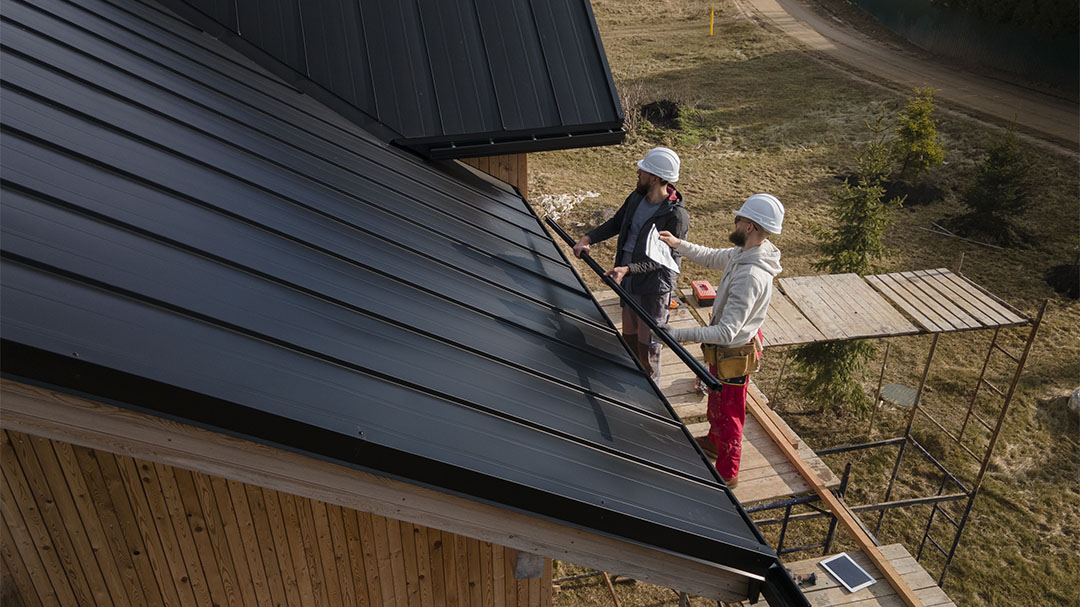
Using the right composite roof deck can help buildings avoid potential problems. The structure remains intact, and the roof functions well for years. Let us step through what makes this material solid and what you should know before you use it.
Metal roof decking is a type of steel sheet formed into panels and placed on top of beams or steel frames. Builders use these to make the roof solid and dependable. Unlike softwood or fragile materials, this type of decking can handle weight without bending or snapping.
These roof deck panels also help keep insulation and waterproofing layers in place. The sheets connect tightly, forming a strong base. When someone chooses metal decking for their roof, they ensure the roof remains firm and safe. This material supports more than just roofs; it builds strength from the top down.
This option is ideal when space is limited and weight needs to be kept low. B deck panels come 36 inches wide, which helps save time during setup. They usually come in gauges ranging from 22 to 16, and builders often use them because they fit many roofing types.
This type supports shorter spans, like in office buildings or retail shops. Since it costs less and weighs less, it moves and installs without stress. Many use it for quick, safe roofing work where strength and budget must stay balanced.
N-deck panels run deeper, approximately 3 inches in depth. This added depth lets the deck stretch farther between beams. They come 32 inches wide and offer strength that works well for wide, open roof spaces, such as large halls or warehouses.
Fewer supports are needed, so the structure below becomes less complex. It supports heavy roofing layers and gives builders a strong tool for large areas. Although it costs more, the long reach and sturdy build make it a smart choice for large jobs.
This type gives a middle-ground choice, offering a 1-inch rib depth. It suits short to medium spans. Gauges may range from 26 to 20. These roof deck panels support structures such as small sheds, awnings, or porch areas.
It provides a balance between strength and size. Builders choose it when they need simple yet sturdy panels that remain strong and durable. It is not suitable for wide spaces, but it works well in compact areas.
Metal roof decking supports heavy insulation, waterproofing, and equipment. Its strength lies in how it grips frames and keeps the top of buildings safe.
It carries weight from people, machines, and weather without sagging or shifting. This helps prevent damage from pressure over time.
These panels arrive ready to place. Their shape allows them to cover wide areas quickly. The interlocking edges help speed up the work and reduce effort.
Roofers finish faster, which reduces labour and keeps projects on schedule. Wide panels and flexible gauges also help reduce waste.
Once installed, metal roof decking lasts for years without major repairs. It resists rust, damage, and cracking better than many other materials.
Coatings like galvanization or primer paint shield it further. That way, the roof remains strong in the long term with minimal maintenance.
Though it may sound heavy, steel roof decking remains light for its strength. This means it does not put much stress on the rest of the building.
It performs well without adding unnecessary weight to the structure. Builders often prefer this for both safety and ease of transport.
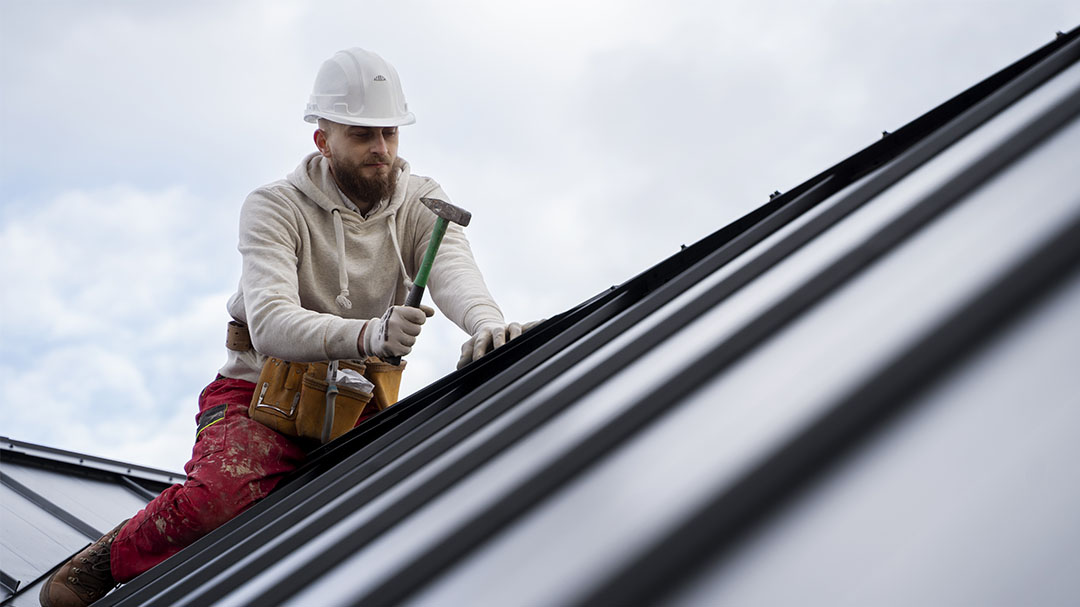
Most offices and retail outlets use metal roof decking because it supports light insulation and makes for flat, smooth roofs. It maintains stability for solar panels or HVAC equipment.
In factories, steel roof decking carries the weight of machines, ducts, and strong weather protection. It keeps heavy loads balanced across long distances.
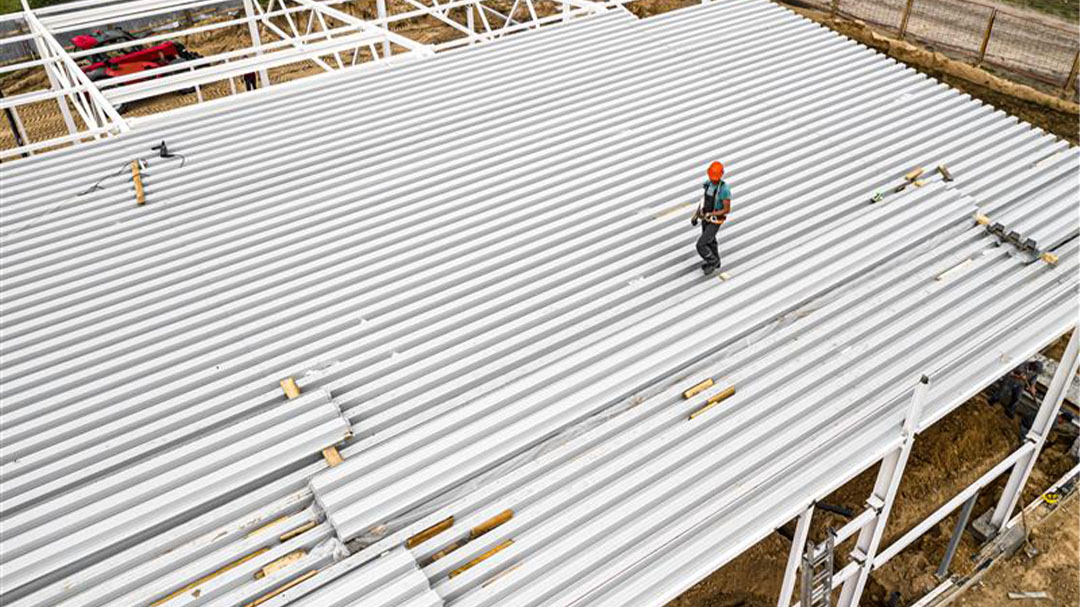
Metal decking for roofs handles wide, open spaces with minimal support beams, making it an ideal choice for expansive areas. It stretches long, holds strong, and provides support without gaps.
Schools, arenas, and other public spaces rely on corrugated metal roof deck structures to support large roofs with clean lines and long-lasting frames.
First, workers check that the beams or steel frames stay aligned and clean. The surface must be ready to hold the panels in place.
Panels arrive on-site in stacks. Roofers carry and align them with care. They start at one end and move steadily across the roof.
Each roof deck panel has flanges or edges that lock into the next. Workers secure them using welds, screws, or fasteners to prevent slipping.
After the full deck is in place, the team may apply insulation or waterproof layers. Then, they cover it with roofing sheets or membranes to seal it fully.
Several factors affect the cost of corrugated metal roof deck. The size of the area, the gauge of the steel, and the type of deck all play a role. The B deck often costs less, while the N deck may rise in price due to its strength and size. Delivery, installation, and finish coating can also shift the total budget. Pricing remains fair when planned early and sized correctly.
Clear away leaves, dust, or grit. This helps prevent dirt from retaining water, which in turn helps to prevent rust.
Inspect the connectors often. Replace or tighten screws or clips that are loose, move or shake.
If the surface starts to wear, apply another layer of paint or galvanizing material. This extends its service by several years.
Too much walking or placing weight can cause thin areas to bend. Use paths or boards when working on top of the roof.
Choose B, N, or 1″ decks based on how far the panel must stretch between supports. Longer spans need deeper panels.
Lower gauge means thicker steel. Heavier roofs or equipment may need 16-gauge steel roof decking. Lighter work may only need 24-gauge.
Use galvanized coating for outdoor areas. Primer works well for use inside buildings where water is not a concern.
Estimate the weight the roof must support, including insulation, water, and the weight of foot traffic. Select a deck that meets all your needs.
Each area may have its own safety code. Confirm that your composite roof deck panel match local laws before you order.
A metal or composite roof deck offers a strong and smart option for supporting roofing systems. It remains firm, installs fast, and works well in many places. Whether you build a warehouse, a factory, or an office, this steel support system provides balance, grip, and lasting strength. Corrugated metal roof deck products do not just fill a space. They form the roof’s backbone. When builders select the right panel and install it properly, the building gains strength that lasts for years. Let metal decking for roofs do the heavy work while you focus on building safely.